
The information below is some of the information required to complete the Grade One exams.
Scales
Formation of the Major Scale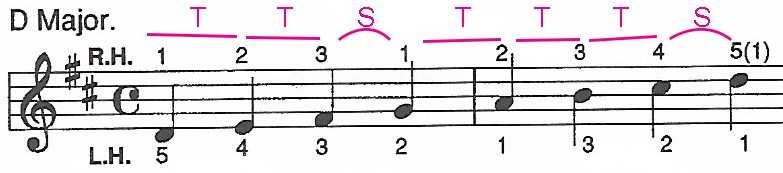 |
Formation of the Harmonic Minor Scale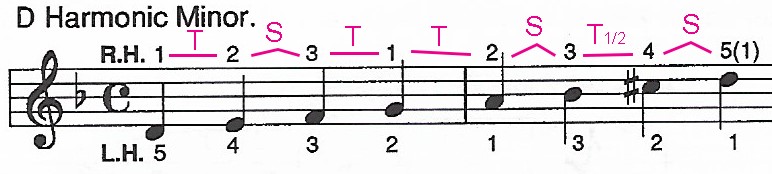 |
Upper & Lower Tetrachords
The first 4 Notes of the scale is the lower Tetrachord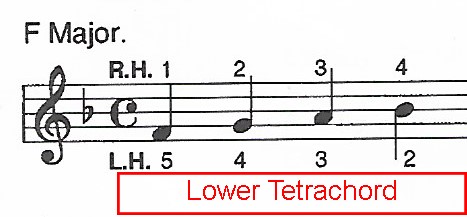 |
The Last 4 notes in a scale is the upper Tetrachord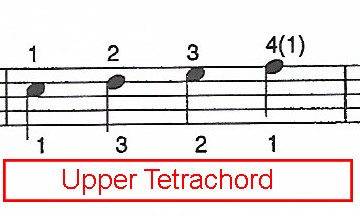 |
Chords
Major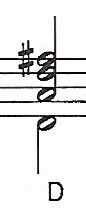 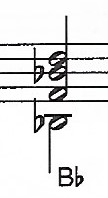 |
Minor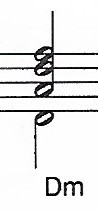 |
7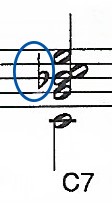 |
Comparing Scales & Chords
Look at both D Major scale and D Major Chord below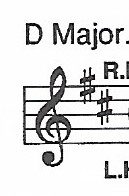 D Major has F# & C# in the key signature, Notice how D major chord has F# as well |
Now Look at D minor scale and D minor Chord below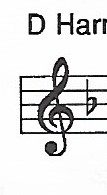 Notice how D minor scale has a B  in the key signature and no F# in the key signature and no F# |
| This is because F# is a Major 3rd above D. To make it a Minor 3rd we need a F  If you look at D minor there is a F |
| In chords the 3rd is what makes the difference between major and minor |
Comparing Key Signatures
Observe C major and A minor below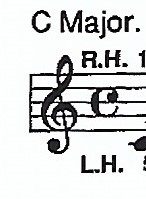 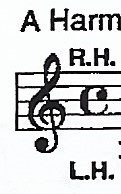 Notice how both have 0 sharps and flats The easiest way to find the relative minor is… COUNT DOWN 3 C – B – A 1 – 2 – 3 |
Observe G major and E minor below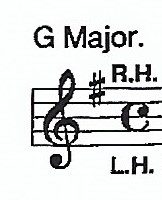 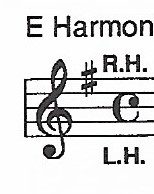 Notice how both have 1 sharp F# The easiest way to find the relative minor is… COUNT DOWN 3 G – F – E 1 – 2 – 3 |
Observe F major and D minor below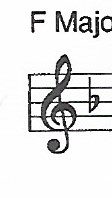 Notice how both have 1 flat B The easiest way to find the relative minor is… COUNT DOWN 3 F – E – D 1 – 2 – 3 |