The information below is some of the information required to complete the Grade One exams.
 |
Treble Clef doesn’t just mean play with your right hand anymore.
Read lines as Every Good Boy Deserves Fruit. |
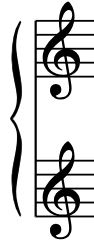 |
From now on you may get pieces that begin like this |
 |
Bass Clef doesn’t just mean play with your left hand anymore.
Read lines as Good Birds Don’t Fly Away |
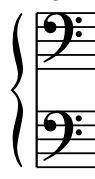 |
From now on you may get pieces that begin like this |
Scales
| Major scale formation | Tone Tone Semitone Tone Tone Tone Semitone |
| Harmonic Minor | #7 – raised 7th (eg. A Minor has a G#) |
| Melodic Minor | #6 #7 raised 6th and 7th ascending F# and G#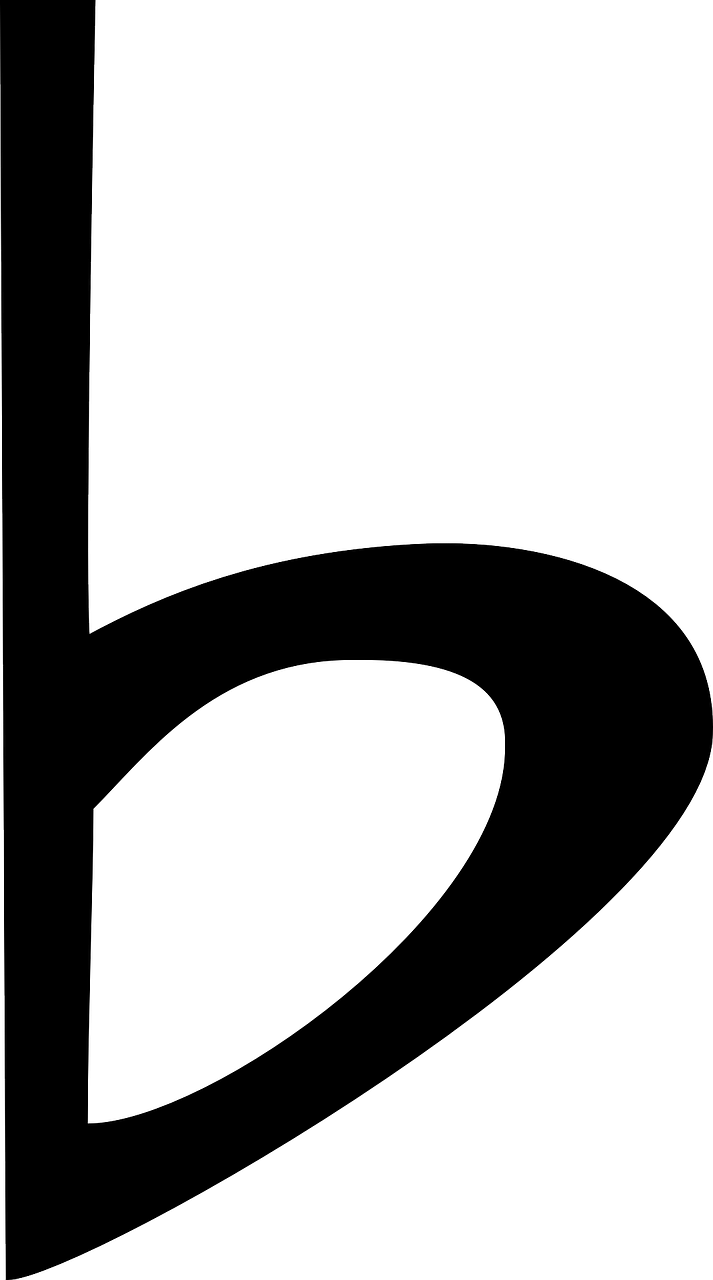 6 and 7 lowered 6th and 7th descending F 6 and 7 lowered 6th and 7th descending F and G and G |
Chords
| Major | All major note 1, 3, 5 eg. C, E, G |
| Minor | Minor 3rd 1, 3, 5 eg. C, E, G |
| 7th | Major Triad with a minor 7th eg. G B D F instead of F# |
Know your Time and Key Signatures
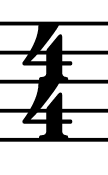 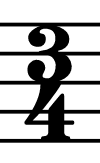 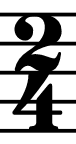 |
These are all simple time, so they will always start with simple. eg. Simple Quadruple |
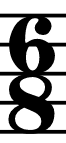 |
This is not simple time becasue there is a 8 at the bottom rather than a 4. This is called Compound Time. |
|
Compound Duple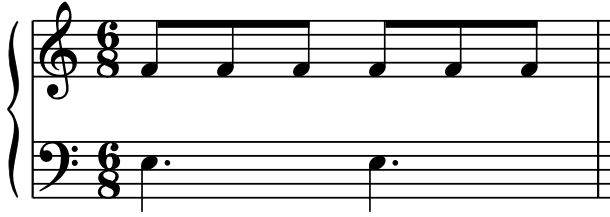 |
Key Signatures
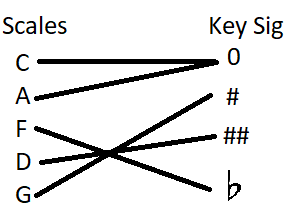
| C Major A Minor |
Both of these have no sharps or flats. (Don’t get key signatures confused with Accidentals) |
| G major | 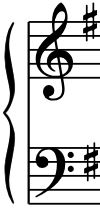 Any piece that looks like the above will be in the key of G |
| F Major | 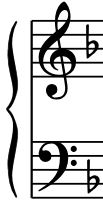 Any piece that looks like the above is in the key of F |
| D Major | 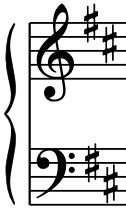 D Major has Two Sharps You’ll notice that G major and D major both have an F# in the key signature. That is because the first sharp will always be a F and the second will always be a C |